
Ten years ago, VO2 max was a number that mattered to cyclists and marathoners. Today your smartwatch estimates it, your favorite podcast has an episode about it, and it has joined grip strength on the shortlist of numbers researchers connect to how well people age.
The attention is deserved. VO2 max is one of the better single indicators of cardiovascular fitness we have. But like every fitness number that becomes famous, it has collected some confusion on its way up. Here is what it actually measures, what moves it, and where it fits alongside strength in a week built for the long run.
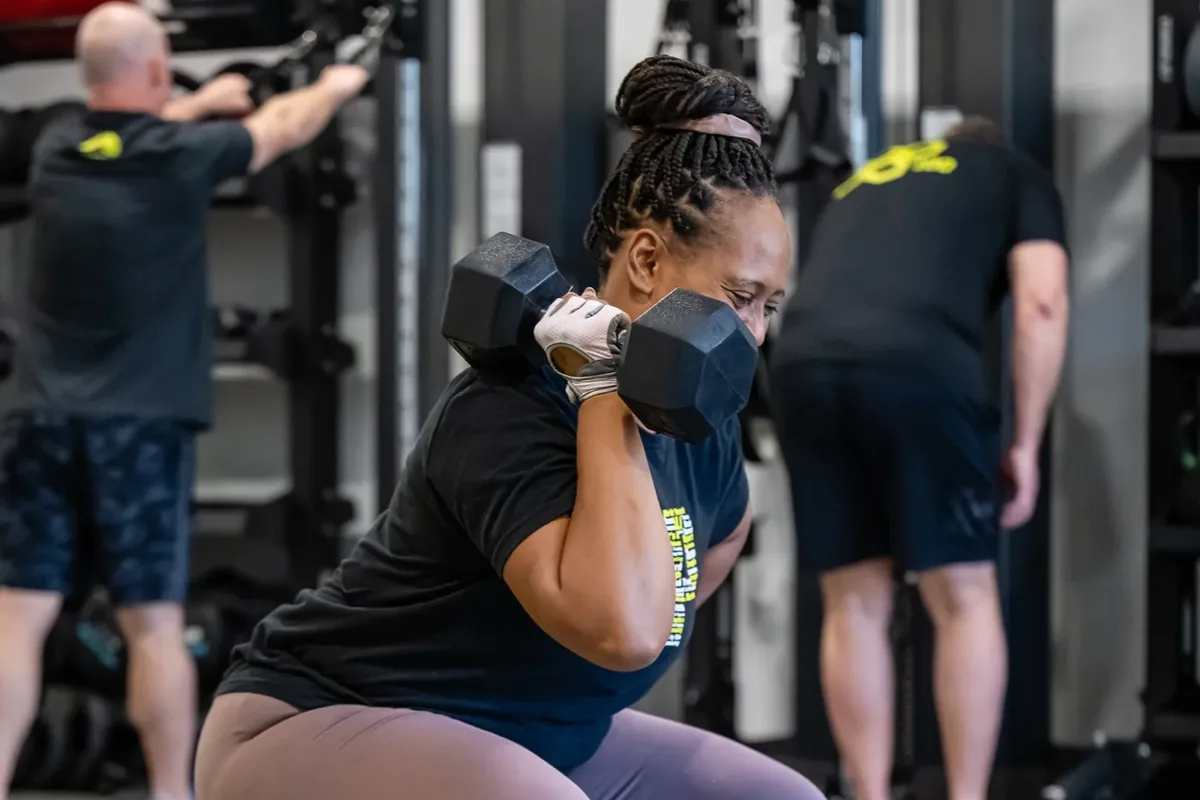
What is VO2 max, in plain language?
VO2 max is the maximum amount of oxygen your body can take in and use during hard effort. It is the size of your aerobic engine. A higher number means your heart, lungs, blood, and muscles can deliver and burn more oxygen per minute, which is what lets you climb a long hill, chase a flight connection, or play a third set without falling apart.
Higher aerobic fitness consistently tracks with better long-term health outcomes in large studies. Like grip strength, it is partly a signal of the training behind it. Unlike grip strength, it declines noticeably with age in people who do not train it, which is precisely why it deserves a place in your program after 40.
How do you improve VO2 max?
Two ingredients, in unequal amounts:
- A base of easy aerobic work. The bulk of your cardio should be comfortable, conversational-pace movement, the zone 2 work we covered in its own guide. This builds the machinery.
- A small dose of genuinely hard efforts. Once or twice a week, short intervals that get you breathing hard, with real recovery between them. A classic pattern is several rounds of a few minutes hard, a few minutes easy, on a bike, a rower, or a hill. This is what pushes the ceiling up.
The mistake self-coached people make is living in the middle: every session moderately hard, nothing easy, nothing truly hard. That pattern feels productive and improves very little. Easy days easy, hard days hard, most days easy. That is the entire secret, and it is decades old.
Where does strength training fit?
Underneath all of it. Intervals are demanding, and the body that handles them well is a strong one: legs that can produce force, joints prepared for load, muscle that supports the effort. Strength training is also defending the muscle mass that hard aerobic work does nothing to protect, which after 40 is the asset you cannot afford to lose while you chase a cardio number.
Our position has not changed across this whole blog, from fat loss to longevity: strength is the anchor. Two to three coached strength sessions a week, then aerobic work layered around them, with one of those aerobic sessions allowed to be hard. That combination moves both numbers that matter.
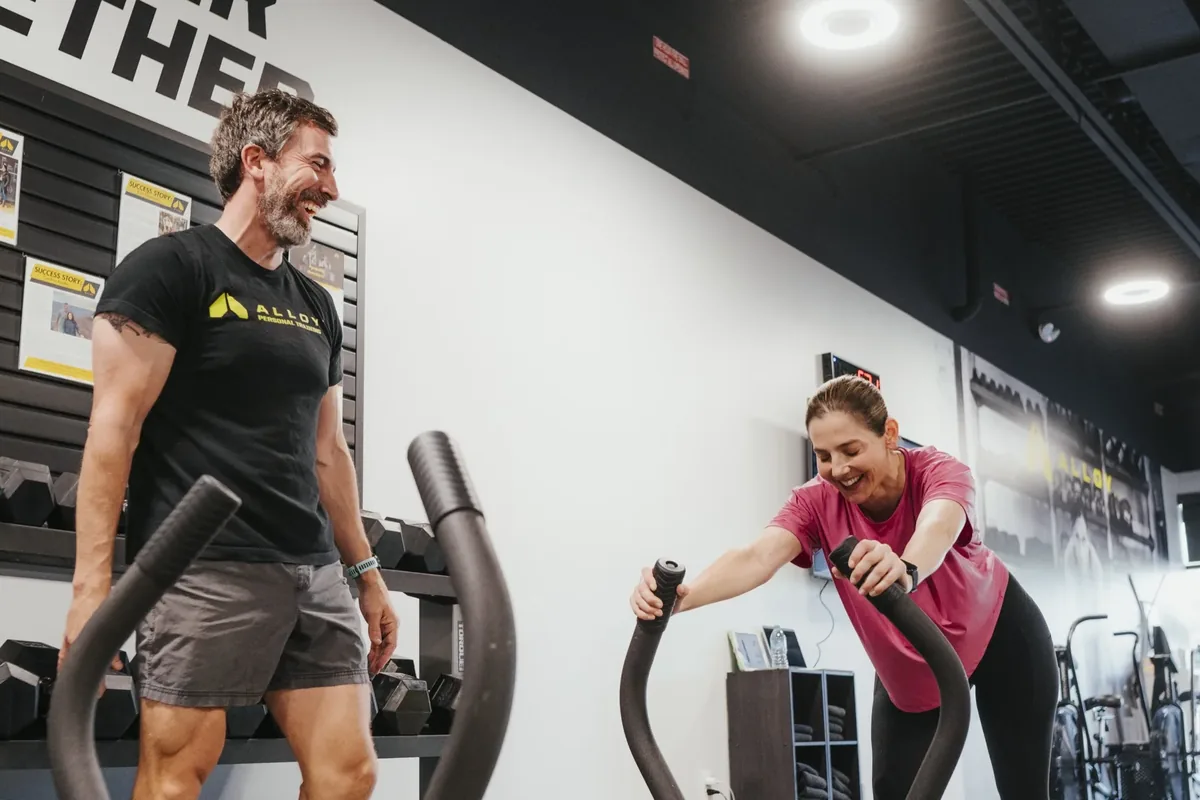
Do you need a lab test to know your VO2 max?
No. A lab test is the gold standard, and almost nobody needs one. Your watch's estimate is good enough to watch the trend, and the trend is what matters. Even simpler: pay attention to a fixed piece of your life. The hill on your morning loop through Mountain Park Ranch. The stairs at work. Telegraph Pass, if that is your Saturday. When fixed courses start feeling easier at the same effort, your engine is growing, whatever any wristwatch says.
What is realistic after 40?
Meaningful improvement, on a timeline of months. Aerobic fitness responds to consistent training at every age we coach. What changes after 40 is the importance of the supporting structure: recovery between hard days, strength underneath the efforts, and progression sized so you adapt rather than accumulate wear. In other words, the things a coached program is for.
If you want the engine and the chassis built together, that is our specialty. Sessions at our Ahwatukee Foothills studio are capped at six members, programming is individualized, and every membership starts with a complimentary Starting Point Session, including an InBody body composition scan and a movement assessment, so we know exactly where you are starting. Book Your Complimentary VIP Consultation, and bring your watch if you like. We will help you make its favorite number go up.