
Somewhere in your 40s or 50s, the reason you train changes. It stops being about the beach and starts being about the decades: staying strong enough, mobile enough, and capable enough that the next 30 years happen on your terms. The fitness industry has started calling this longevity training, and underneath the buzzword is something real, a genuine shift in what you optimize for.
Here's what longevity training actually means, why strength sits at the center of it, and what it looks like in practice at our Ahwatukee studio.
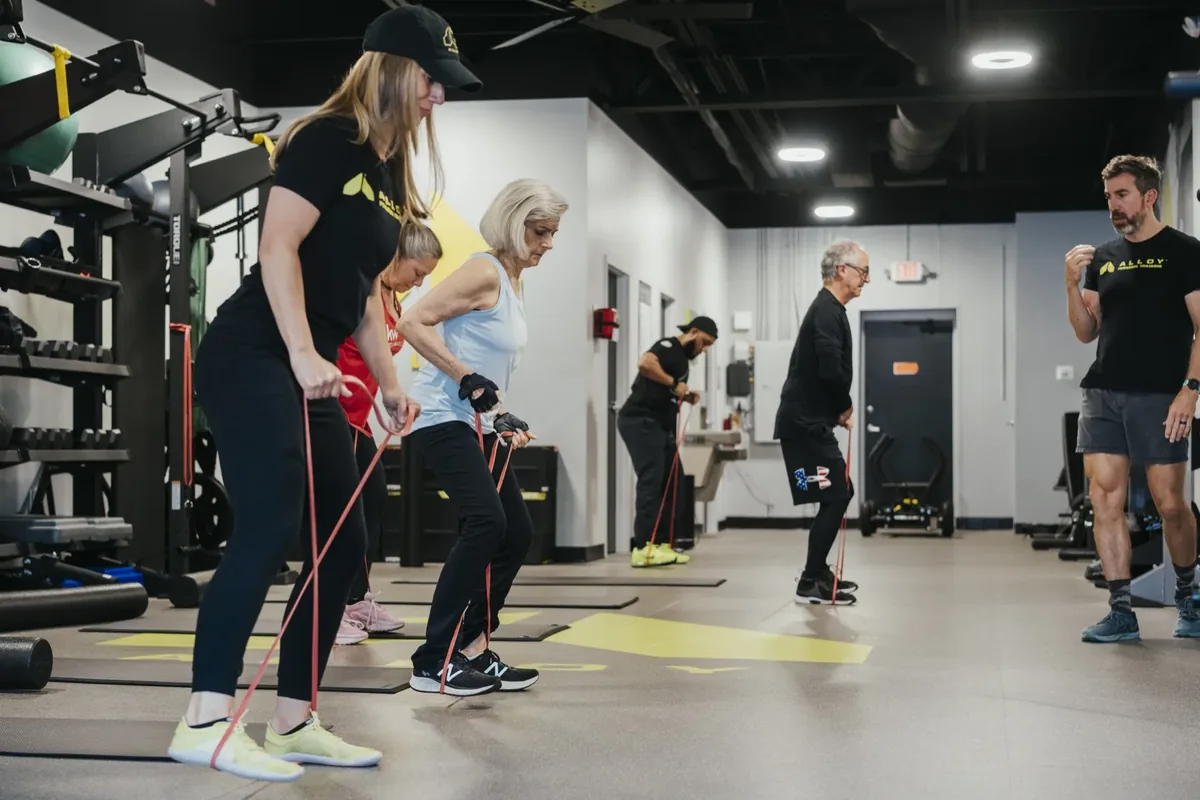
What is longevity training?
Longevity training is training where the goal is your future capability, not this summer's mirror. The organizing question changes from "how do I look in eight weeks?" to "what will I still be able to do at 70, 80, and beyond, and what do I have to do now to protect it?"
In practice, it optimizes for a handful of plain things:
- Strength, the raw capacity your daily life draws on every time you lift, carry, climb, or catch yourself
- Muscle, the reserve you'll be very glad to have banked in the decades ahead
- Balance and coordination, which are trained qualities, not fixed traits, and they respond to practice like everything else
- The habit itself, because the plan only works if it's still running in 2036
Notice what's not on the list: exhaustion, novelty, or heroics. Longevity training is deliberately unheroic. It's the compound interest of physical life, and it rewards deposits made consistently over years.
Why is strength the anchor of training for the long run?
Because strength is the quality everything else borrows from. Endurance gets you through the hike above The Foothills; strength is what gets you up the scramble, keeps you steady on the descent, and lets you carry the pack in the first place. Independence in later decades is, in physical terms, mostly a strength story: chairs, stairs, floors, groceries, grandchildren.
Strength is also the quality that quietly leaves when unattended. Untrained adults lose a meaningful share of it decade by decade. It isn't a cliff, just a slow drift you don't notice until something ordinary feels harder than it should. The countermeasure is not complicated: progressive resistance training, done consistently, for the long haul. Muscle and strength respond to training at every age, and we've watched members start from scratch in their 60s and get measurably, visibly stronger. The drift is real, but so is the reversal.
What does a longevity-focused training week look like?
Less dramatic than you'd guess, which is exactly why it works:
- Two to three coached strength sessions: full-body, progressive, individualized to your history and current ability. This is the non-negotiable core.
- Daily movement you enjoy: the morning loop through Mountain Park Ranch, a swim, the trail before the heat arrives. It counts, and enjoying it is what makes it permanent.
- Recovery treated as part of the program: sleep, easy days, and progression sized so you adapt instead of accumulate wear.
- A monthly check of the data: body composition and strength benchmarks, so the plan is steered by evidence rather than mood.
That's it. No 5 a.m. bootcamp identity, no punishing block you secretly dread. The program you can imagine still doing at 75 is the program that gets you there.
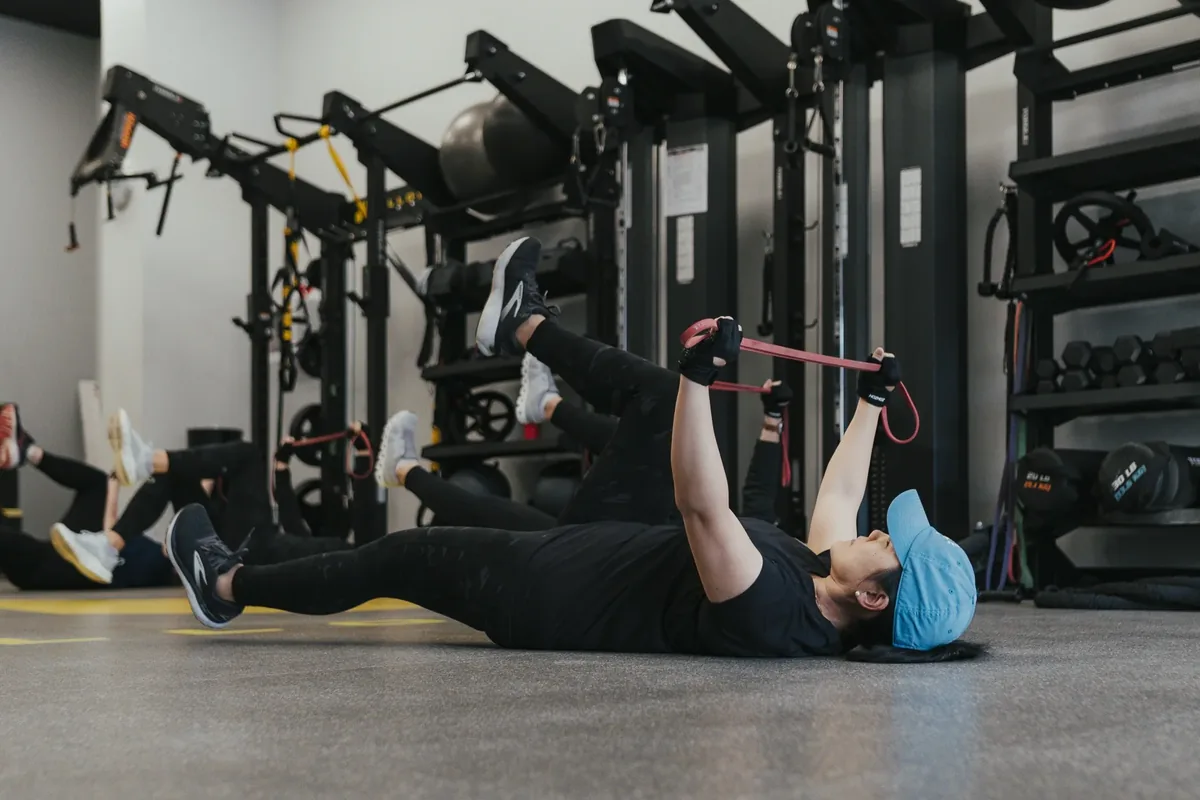
How do you know a longevity program is working?
You measure it in two currencies, on two clocks.
The monthly clock is data. Every member here gets a monthly InBody body composition scan alongside their strength benchmarks, so the near-term trend is visible and steerable: muscle holding or climbing, loads progressing. When a month goes sideways, the program adjusts while the correction is still small.
The yearly clock is capability. This is the one longevity training actually exists for, and it doesn't live on a printout. It's the hike that used to require a recovery day and no longer does. Luggage overhead without a plan. A full afternoon in the yard in June and dinner standing up afterward. Members rarely frame these as fitness results. They say things like "I just do it now, I don't think about it first." That sentence, repeated across enough years, is the entire mission statement.
Both clocks matter. The data keeps this month honest; the capability keeps the decade honest.
Isn't cardio enough?
Cardio is genuinely valuable. Endurance matters, and we'd never talk anyone out of the activities they love. But cardio alone leaves the main asset unguarded: it does very little to build or defend the strength and muscle your later decades depend on. The runner who can go ten miles but struggles to carry a heavy suitcase upstairs has optimized one quality while another quietly drifted. We've unpacked this fully in strength vs. cardio after 40. The short answer is that it was never an either/or, but if you only have two hours a week, strength training is where they belong.
How do you start if you haven't trained in years?
Smaller than pride suggests, with more help than habit suggests. A long layoff isn't a disqualification. It's the most common starting profile we see, and it's precisely what a coached, capped-at-six small group is built for. Your first hour here is a complimentary Starting Point Session: goals and history, an InBody body composition scan, a functional movement assessment, and an introductory workout, ending with an honest recommendation for the training frequency your next 30 years actually need. We've laid out the whole over-40 approach in our guide to personal training for adults over 40 in Ahwatukee.
The best longevity plan you'll ever find is the one you start while the choice is still entirely yours. If you're in Ahwatukee — Club West, Lakewood, Mountain Park Ranch, or anywhere nearby — Book Your Complimentary VIP Consultation and put the first deposit in. Details on everything included are on our services page.