
Healthspan is the number of years you spend capable, strong, and doing what you want. Lifespan is simply the number of years. The two are not the same, and the gap between them is where training earns its keep after 40. Training for healthspan means training for capability you will actually use: strength to carry what your life hands you, steadiness on your feet, energy that lasts a full day, the ability to say yes to the trail, the trip, and the grandkid who wants to be carried. In practice it rests on four pillars: strength and muscle, honest measurement, a cadence that keeps you accountable, and a programming view measured in decades. This post is the map. The guides it links to are the territory.
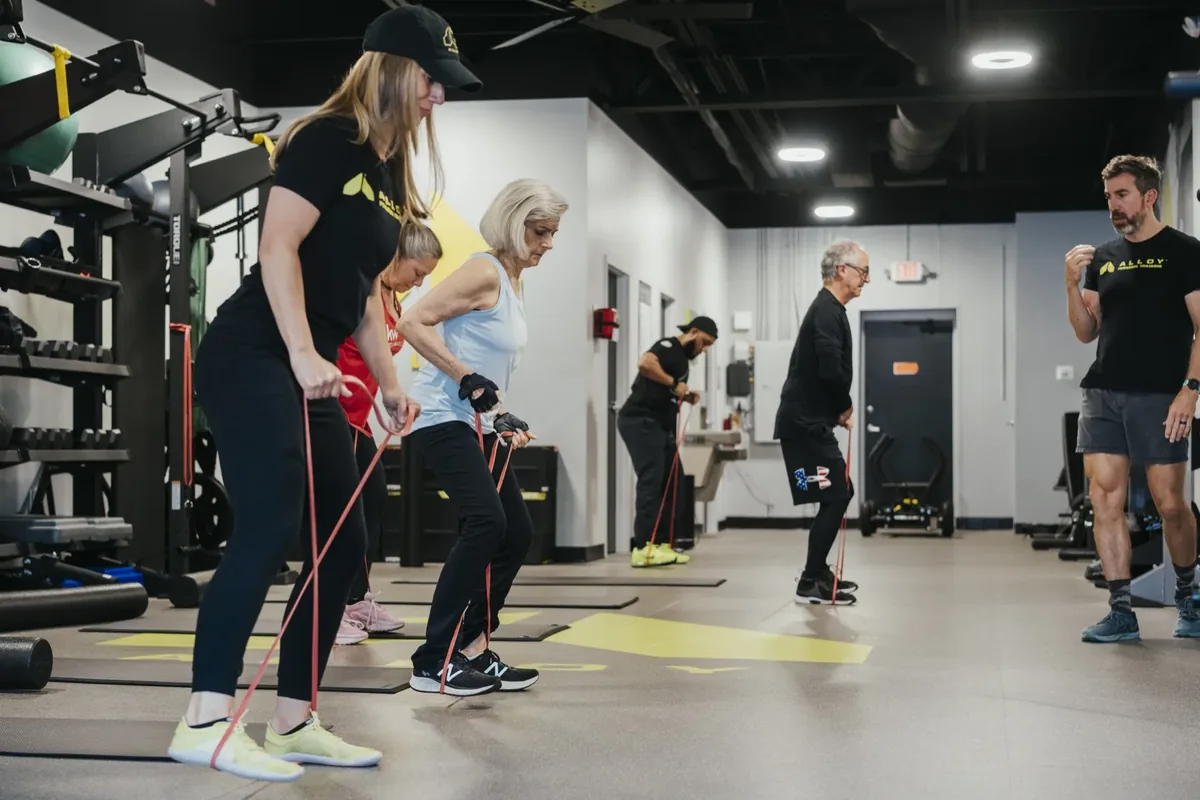
What is healthspan, and how is it different from lifespan?
Lifespan asks how long. Healthspan asks how well, and more specifically, how long you keep the physical capability your independence and enjoyment run on. Two people can share a birthday while living in different worlds: one plans hikes, the other plans around stairs.
Let us be precise about what training can and cannot claim here. No program can promise you more years, and we will not pretend otherwise. What training influences is capability: strength, movement quality, energy, confidence on your feet. Research associates maintaining strength and muscle through mid-life with staying active and capable in the decades that follow. That is an association, not a guarantee, but it points in a clear direction, and it happens to be the same direction that makes the next six months of your life better too. Healthspan training pays now and compounds later.
Pillar 1: Why do strength and muscle mass anchor everything?
Because nearly every capability you care about is downstream of them. Carrying, climbing, getting off the floor, hauling groceries, luggage lifted overhead without strategy or hoping for help: all strength, quietly spent. Muscle is the reserve it is drawn from, and after 40 that reserve drifts down unless training actively defends it.
The defense is not complicated: progressive, coached strength training, two to three sessions a week, sustained. We have written the full case in why muscle mass after 40 is worth defending. If you read one pillar deeply, read that one, because the other three exist mostly in service of it.
Pillar 2: Why measure what changes?
Because healthspan training runs on a timescale where feel is an unreliable narrator. Month to month, real change hides: muscle arrives quietly, body fat leaves quietly, and the mirror reports mood as often as fact. Measurement replaces the guessing. At Alloy Personal Training Ahwatukee Foothills, that means InBody body composition scans that read out muscle mass, body fat percentage, and related metrics, descriptive numbers you can watch move over months while the daily noise cancels itself out.
Two guides cover this pillar: why body composition beats body weight as the thing to watch, and how to read your InBody scan results without a decoder ring.
Pillar 3: What cadence keeps you honest?
Monthly. Every member here scans every month and reviews the data with a coach, because measurement only steers if it happens on a schedule. Too often and you are reading hydration noise; too rarely and a stalled approach burns a season. The monthly review is where data becomes decisions: stay the course, add a training day, progress the loads, reopen the nutrition conversation. We wrote up the full reasoning in why we scan monthly.
Key Takeaway
Healthspan is the years you spend capable, not just the years you are alive, and training for it is concrete: build and defend strength and muscle, measure body composition instead of guessing, review the data monthly with a coach, and program for decades instead of seasons. None of it requires heroics. All of it requires consistency, which is exactly what coaching exists to protect.
Pillar 4: What does the long-game view change?
Almost everything about how a program is built. Training for the next 30 years means the sustainable pace beats the impressive one, recovery is programmed rather than earned, and the goal of any given month is to make the next month possible. It is the difference between a program you survive and a program you keep. We laid out that philosophy in longevity training: strength for the next 30 years, and it is the lens the other pillars sit behind: the strength work is paced to continue, the measurement exists to steer for years, and the cadence assumes you will still be here scanning next spring.
What does healthspan training look like in a normal week?
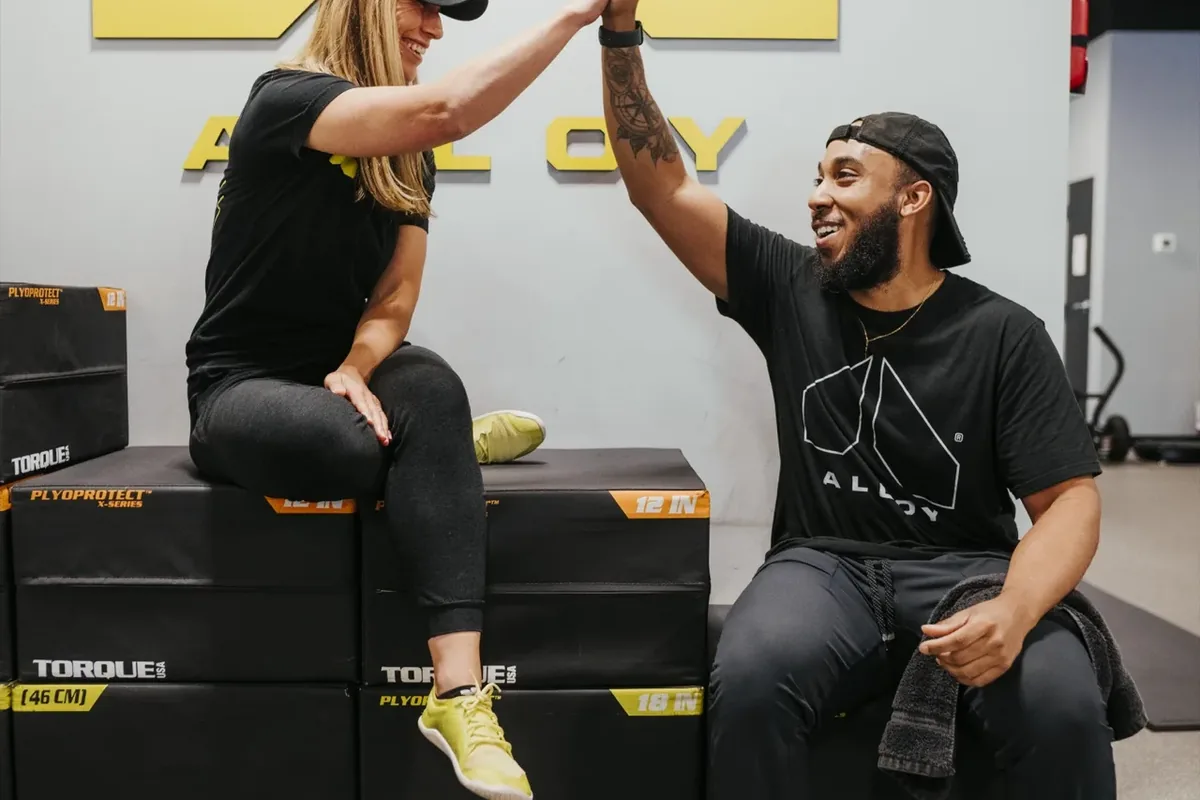
Deliberately unheroic. Two to three coached strength sessions, capped at six members with a professional coach progressing every exercise per person, at our studio in the Ahwatukee Foothills. Movement you actually enjoy layered around them: morning loops through Mountain Park Ranch, the pool, winter trail seasons. Enough recovery that the week can repeat. A monthly scan, and a coach who adjusts the plan when the data says so. Most members notice improvements in energy, strength, and confidence within the first few weeks; body-composition change typically shows over 8 to 12 weeks; the healthspan payoff is the same pattern continued until it is simply how you live.
The community is part of the design, not decoration. At Alloy Personal Training Ahwatukee Foothills, members join a coaching relationship with a support community, and that is what carries training across the months when motivation dips. Healthspan training is precisely the kind of long project that needs carrying. Five other adults who notice when you are missing do more for your next decade than any gadget will.
If you are starting from scratch, start with our cornerstone guide to personal training for adults over 40 in Ahwatukee, which covers the coaching model end to end. Then take the actual first step: Book Your Complimentary VIP Consultation, which includes a conversation about your goals and health history, an InBody body composition scan for your baseline, a functional movement assessment, and an introductory coached workout. The next 30 years are getting built either way. Healthspan training just means building them on purpose.