
GLP-1 medications have changed a lot of conversations, including the ones we have at the studio. More adults than ever are losing significant weight, sometimes for the first time in decades, and they are arriving with a question the prescription pamphlet does not fully answer: how do I make sure the weight I am losing is the weight I want to lose?
It is exactly the right question. Here is what we tell members, and what the growing consensus around these medications says about the role of strength training. One thing before any of it: we are coaches, not doctors. Decisions about medication belong with you and your physician. Our lane is what happens in the gym while you follow their plan, and that lane turns out to matter a great deal.
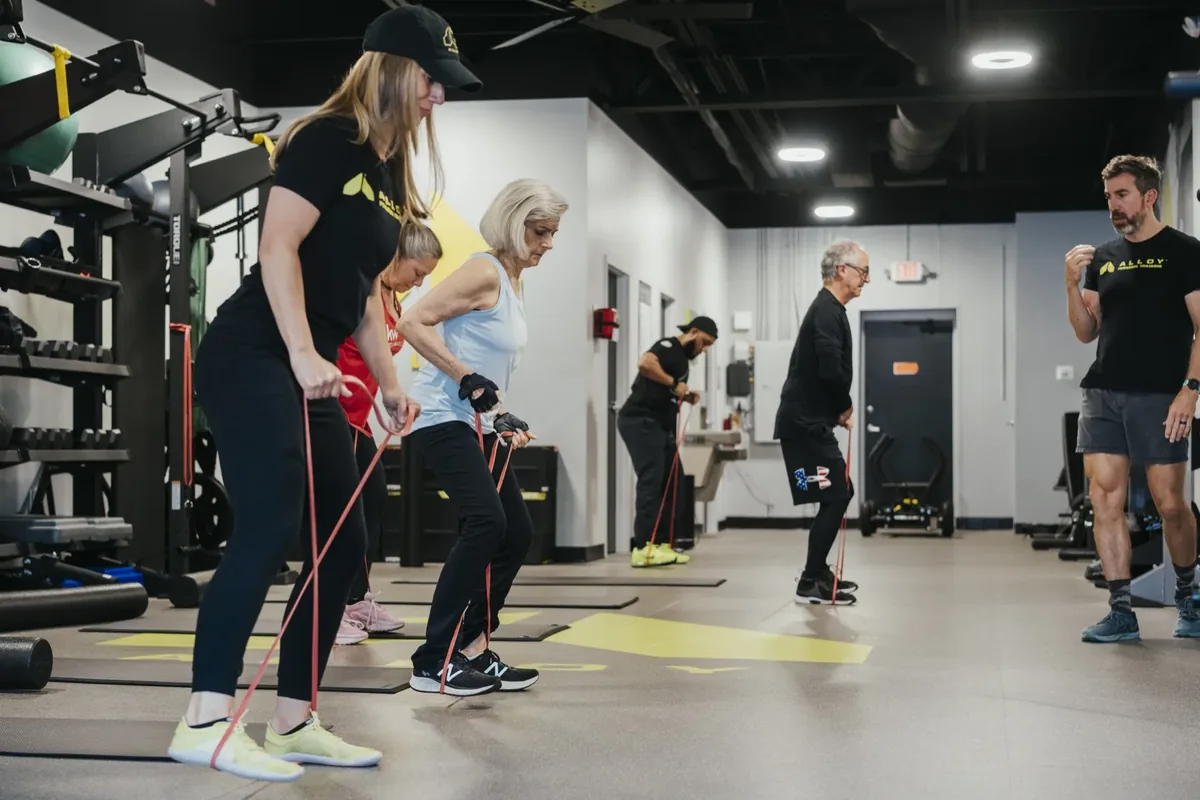
What is the muscle concern with GLP-1 weight loss?
Any substantial weight loss, from any method, takes some lean mass along with fat unless you actively defend it. That has always been true of aggressive dieting. What makes the medication era different is scale and speed: appetite drops steeply, weight can come off quickly, and people who are not deliberately eating protein and training can lose a meaningful share of their weight as muscle.
Losing muscle in your 40s, 50s, or 60s is expensive. It is the tissue your strength, balance, joint support, and metabolic health run on, and it is harder to rebuild than to keep. A big number down on the bathroom scale can quietly contain a version of you that is smaller but weaker, which is not the outcome anyone wrote the prescription for.
What actually protects muscle during weight loss?
Two things, and they are boring, which is good news, because boring is doable:
- Progressive resistance training. Muscle that is regularly asked to produce force is muscle your body has a reason to keep. Two to three strength sessions a week is the standard we coach, the same foundation we recommend in every fat loss conversation, and it matters more on a GLP-1, not less.
- Enough protein. These medications shrink appetite, and protein is usually the first casualty of a small appetite. Protecting it takes intention: protein at every meal, prioritized even when you are not hungry for much. We wrote a full guide to protein after 40 that applies doubly here. Your physician or a dietitian can tailor targets to you.
How should training change while you are losing?
Mostly it should not. The program that builds muscle is the program that defends it: compound movements, loads that progress sensibly, form watched by someone who knows your history. A few adjustments earn their keep during rapid weight loss:
- Fuel and timing. Training on a nearly empty tank happens more easily when appetite is suppressed. Your coach can help you place sessions and snacks so workouts do not run on fumes.
- Recovery respect. Weight loss is itself a stress on the system. Progression during this phase is steady, not heroic.
- Communication. Dizziness, unusual fatigue, or anything that feels off goes to your physician promptly. Your coach adjusts the training; your doctor manages the medicine.
How do you know it is working?
This is where measurement stops being optional. The bathroom scale cannot tell fat loss from muscle loss; it cheers for both. A monthly InBody body composition scan can tell them apart, which during medication-assisted weight loss makes it less a progress tracker and more an instrument panel. Muscle holding steady while fat falls: the plan is working. Muscle sliding month over month: something needs adjusting, now rather than in six months.
Every membership at our Ahwatukee studio includes that monthly scan, and for members on a GLP-1 it becomes the number we watch most closely, alongside strength benchmarks that tell the same story from a different angle.
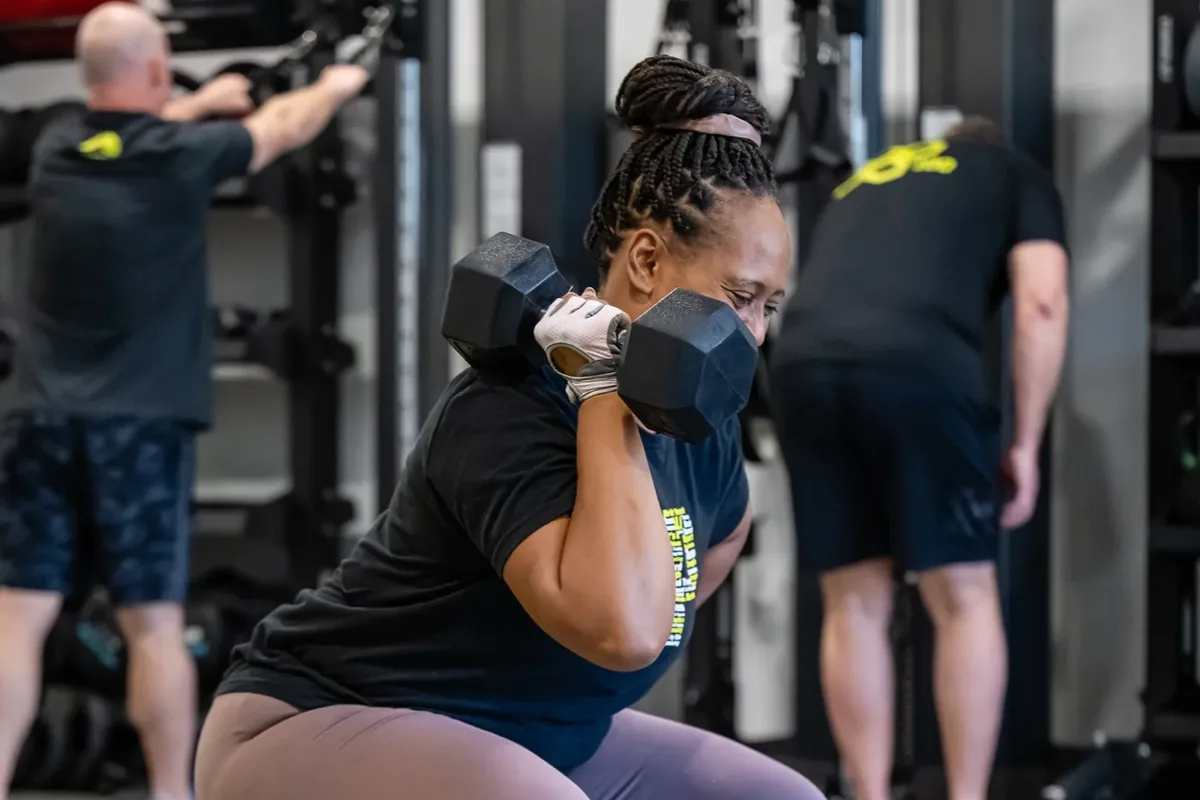
What does this look like in practice?
A member starts a GLP-1 with their physician. They train with us two to three times a week, in sessions capped at six where their coach knows their situation and progresses every exercise to match the phase they are in. Protein gets planned, not left to appetite. Once a month, the InBody scan audits the result: how much of the loss was fat, how much was not. Training and habits adjust to what the data says. That is the entire system. It is not complicated. It is just deliberate, which is the part appetite suppression will not do for you.
If you are in Ahwatukee, near Mountain Park Ranch, Club West, or Lakewood, and you want the losing-weight chapter to end with a stronger body rather than a smaller weaker one, we would genuinely like to help. Book Your Complimentary VIP Consultation: an InBody baseline, a movement assessment, a coached workout, and a plan for protecting what matters while the number comes down.