
Somewhere along the way, a lot of people over 40 absorbed the idea that lifting heavy things is for the young, and that the responsible adult move is light weights, high reps, and caution. It sounds sensible. It is also, according to essentially all of the research on aging and strength, backwards.
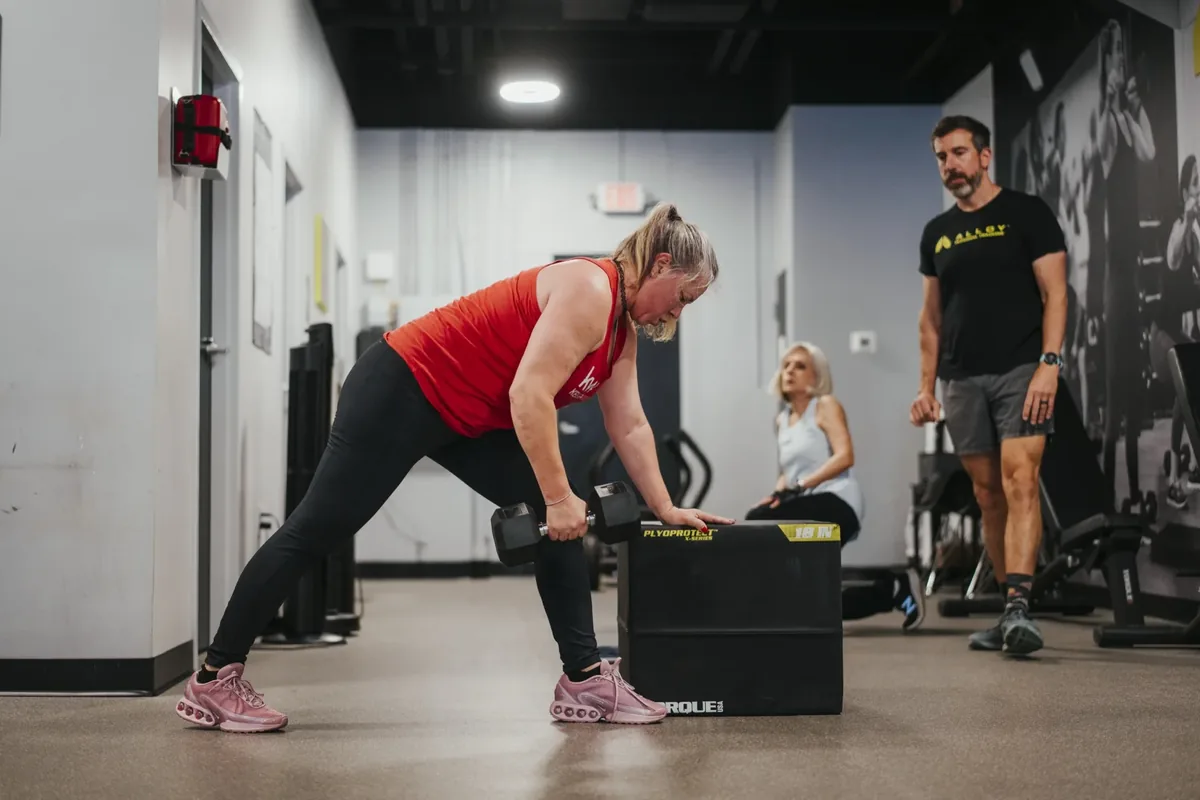
The risk that should actually worry you is not the barbell. It is the slow slide of untrained strength: the gradual loss of muscle and bone that makes a suitcase, a staircase, or an icy curb genuinely dangerous at 70. Lifting meaningfully heavy weights, with good form and sensible progression, is one of the best-documented defenses against that slide.
So let us talk about what heavy really means, where the fear comes from, and what a coach is actually doing to keep it safe.
What does "heavy" actually mean?
Heavy is relative, and that single word does most of the work in this conversation. Heavy for a 45-year-old who has lifted for a decade might be a 300-pound deadlift. Heavy for a 62-year-old in her first month of training might be a 20-pound goblet squat. Both are lifting heavy, because both are working near the edge of what their body can currently do.
That edge is where the results live. Muscles and bones adapt when they are asked to do something challenging, and they politely ignore anything that is not. Research on adults over 40 keeps arriving at the same conclusion: with appropriate loads, this population builds muscle and strength reliably, and the gains come with remarkably low injury rates when the training is supervised and progressive. We covered why that muscle matters so much in our post on muscle mass after 40.
Where does the fear of heavy lifting come from?
Mostly from watching the wrong people lift. The gym injuries that make an impression are almost always some combination of ego, fatigue, and no supervision: too much weight added too fast, form collapsing on the last rep, nobody watching to say stop.
Remove those three ingredients and lifting becomes one of the safer physical activities an adult can do. The injury rates reported for supervised strength training are consistently lower than those for recreational running or team sports. Nobody finds this intuitive, and the data says it anyway.
What is a coach actually doing to keep it safe?
From the outside, coaching looks like encouragement. Most of the real work is quieter than that:
- Choosing the right starting load, which is almost always lighter than new members expect, and then progressing it on a plan instead of a mood.
- Matching movements to your body. A history of cranky shoulders changes which pressing variation you get. This is why your first session with us includes a movement assessment, not just a workout.
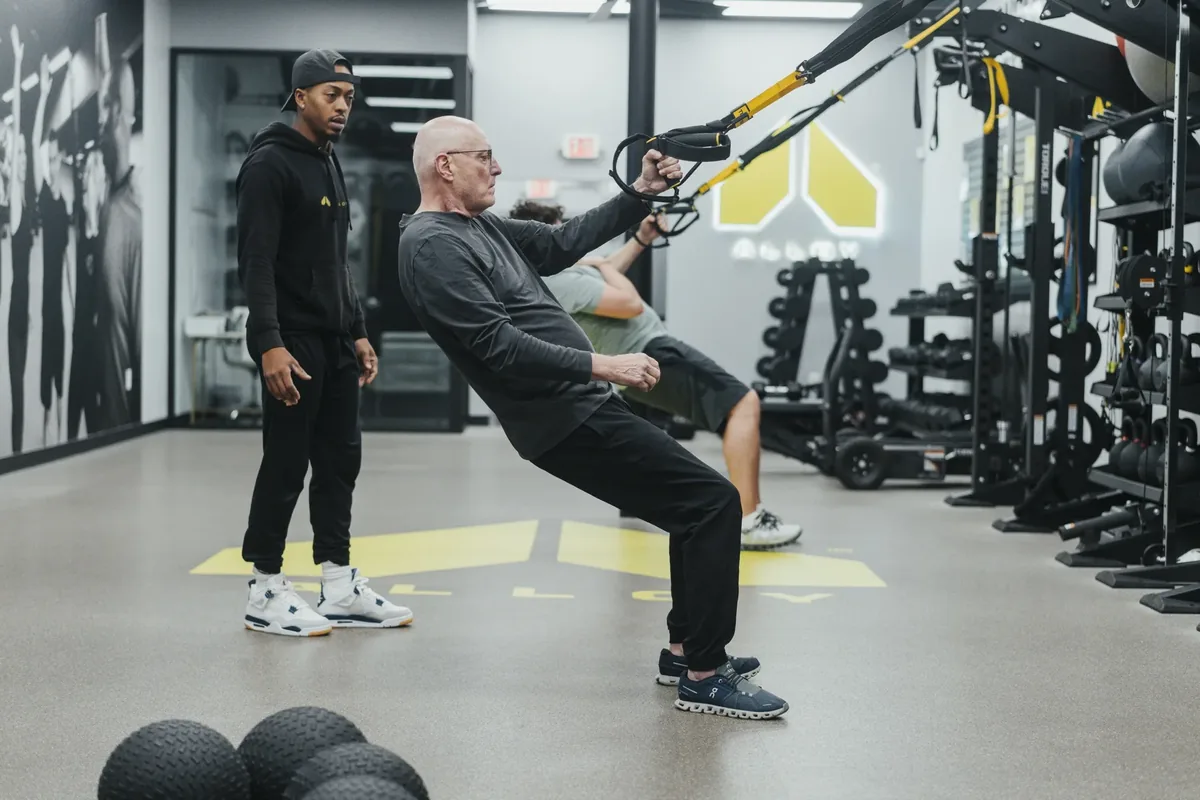
- Watching every working set. In sessions capped at six members, nobody lifts unobserved. Form drift gets corrected on the rep where it appears, not after it becomes a habit.
- Knowing when to stop. The last safe rep and the first risky one are neighbors. Experienced eyes can tell them apart from across the room.
Progression is the part self-directed lifters most often get wrong, in both directions. Some add weight every session until something complains. Others lift the same comfortable dumbbells for two years. A coached program threads that needle, which is the entire point of having one.
What about my back, my knees, my blood pressure?
Talk to your doctor about your specifics; that is always the honest answer. But it is worth knowing that for most adults, appropriately loaded strength training is part of the solution for creaky backs and knees, not the threat to them. Stronger muscles around a joint mean better support and less daily pain, and bones respond to loading by getting denser, something we wrote about in detail for women over 40 and bone density.
The pattern across the research is consistent: the risks of lifting are small and manageable, and the risks of not lifting compound every year.
How do you start if you have never lifted heavy?
You start light, and you start watched. Your first hour at our studio in the Ahwatukee Foothills is a Starting Point Session: goals and history conversation, InBody scan, movement assessment, and an introductory coached workout where your coach sees how you move before deciding how to load you.
From there, the weights climb at the pace your body earns. Six months in, most members are lifting loads they would have called impossible on day one, and feeling better rather than worse for it. If you are nearby in Club West, The Foothills, or Mountain Park Ranch, Book Your Complimentary VIP Consultation and come find out what heavy means for you.