
Every October, Ahwatukee performs its great seasonal migration: back outdoors. The temperatures break, the trailhead lots refill, and everyone remembers why they tolerate July here. South Mountain is suddenly busy at 7 a.m. on a Saturday, and Telegraph Pass resumes its role as the neighborhood's favorite honest conversation about fitness.
Here is the thing about that first October hike: it files a report. Legs that burn early, knees that complain on the descent, a next-day soreness bill that seems disproportionate. None of that is age being cruel. It is six months of summer softness, and more fundamentally, it is what trails do to bodies that have not been asked to produce force lately. The good news is that trail legs are built in the gym, faster than you would think.
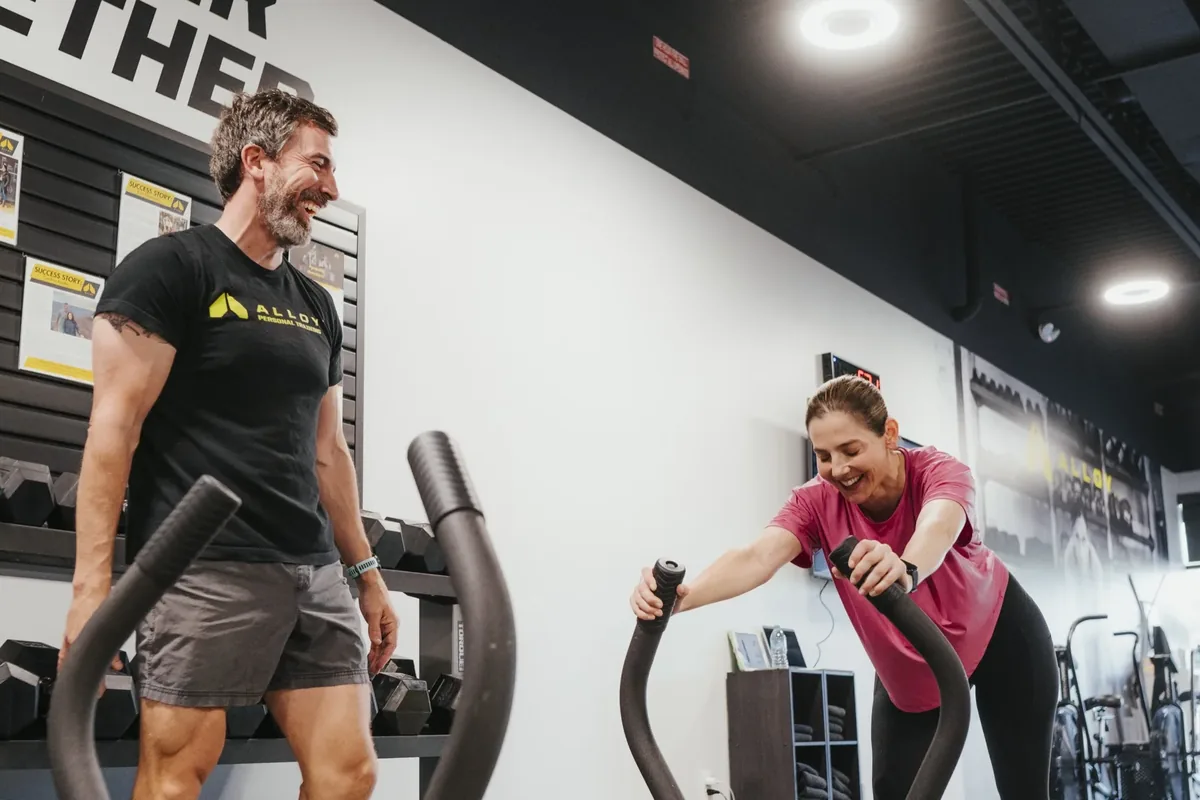
What does hiking actually demand from your body?
More than walking, in specific and trainable ways:
- Climbing is single-leg strength. Every uphill step is a loaded step-up. Multiply by a few thousand and the difference between strong legs and willing legs becomes the difference between a good hike and a death march.
- Descending is braking strength. Going down loads your quads and knees harder than going up, in the lengthened, controlled way untrained legs handle worst. Most trail soreness and most knee complaints are descent bills.
- Uneven ground is balance and hip stability. Rocks and switchbacks ask your hips and ankles to make a hundred small corrections an hour.
- The whole thing is engine. A steady climb is an aerobic event, which is where your zone 2 base quietly pays off.
What training translates directly to the trail?
The strength work that builds hikers looks like this, and it is all standard equipment in our coached sessions:
- Step-ups and split squats: single-leg strength in exactly the pattern climbing uses. These are the highest-value trail exercises there are.
- Squats and hinges: the general lower-body strength everything else draws from.
- Controlled lowering work: slow descents on step-downs and split squats teach your quads to brake, which is descent-proofing in its purest form.
- Carries: a loaded pack is a strength event. Farmer carries build the trunk and grip that make a daypack disappear.
- Calf and ankle work: the small stabilizers that turn rocky ground from a threat into texture.
Two to three coached sessions a week from now through the season does not just make hikes feel better. It changes what is available to you: the longer route, the steeper option, the double-header weekend, all quietly underwritten by strength. Trained through full ranges with progressing load, this is also mobility work in the only form that holds, control included.
Why start now instead of just hiking into shape?
Hiking into shape works, slowly and expensively; the trail charges interest in soreness and the occasional tweak, and it under-trains the braking strength that prevents most complaints in the first place. Strength work runs the same curriculum with the load managed: progressive, both legs evenly, form watched, no loose rock involved. Then the trail becomes the exam you have already studied for. Members who train through the summer describe the same October surprise every year: Telegraph Pass got shorter.
What about the over-40 part?
It sharpens everything. The braking strength that protects knees on descents declines fastest in untrained adults, and balance, as we covered in balance training over 40, is a trained quality that gets rusty quietly. Both respond beautifully to the exact work above. There is no age at which the trails start being someone else's; there are only bodies that have been asked to prepare and bodies that have not.
How do you get started before the season gets away?
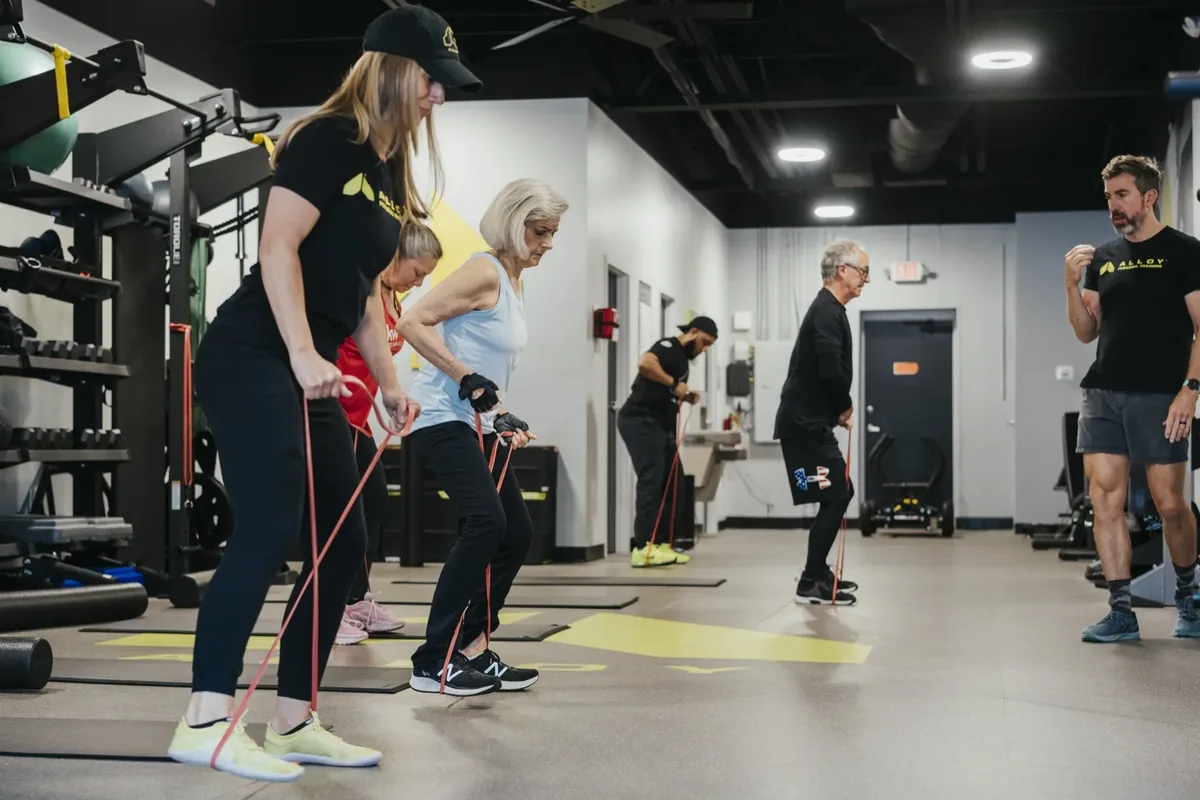
The season is long here, October into May, so a start now pays off for months. Begin with a complimentary Starting Point Session at our Ahwatukee Foothills studio: your goals, an InBody body composition scan, a functional movement assessment where we look at exactly the single-leg and balance qualities the trail will test, and a coached introductory workout. Sessions are capped at six members and every exercise is scaled to your current legs, not the legs you are building.
We are minutes from the South Mountain trailheads, near Mountain Park Ranch, Club West, and Lakewood, and a good share of our members are training for exactly this. Book Your Complimentary VIP Consultation, and let us make this the season the mountain files a better report.