
There is a particular kind of frustrated person we meet regularly: training consistently, eating carefully, and watching the body refuse to change. When we dig into their week, the workouts are fine and the food is fine. What is broken is the part nobody logs: they are sleeping five and a half hours a night and calling it enough.
If fat loss after 40 is a three-legged stool of training, nutrition, and sleep, sleep is the leg everyone keeps sawing shorter and then wondering why the stool wobbles.
What does sleep actually have to do with fat loss?
More than almost anyone believes until they see the research. Sleep restriction changes your body's hormonal weather in ways that all point the same direction:
- Hunger hormones shift. Short sleep raises ghrelin, which makes you hungrier, and lowers leptin, which normally tells you that you are full. The result is a genuine, chemical increase in appetite, aimed mostly at quick carbohydrates.
- Insulin sensitivity drops. Even a few short nights in a row measurably worsen how your body handles blood sugar, which encourages fat storage, particularly the deep abdominal kind.
- Recovery stalls. Muscle repairs and grows during deep sleep. Cut the sleep and you blunt the very adaptation your training sessions were supposed to trigger.
There is a frequently cited line of research in which dieters were put on identical calorie deficits with different sleep allowances. The short sleepers lost roughly the same weight, but a much larger share of it came from muscle instead of fat. Same effort, worse exchange rate. After 40, when muscle is already harder to keep, that trade is one you cannot afford.
Why does this hit harder after 40?
Two curves cross. Sleep quality naturally declines with age: lighter sleep, more interruptions, earlier wakings. At the same time, the metabolic margin for error narrows, something we unpacked in our post on what actually happens to your metabolism after 40. At 25, your body shrugged off a bad week of sleep. At 50, the same week shows up as cravings, stalled recovery, and a scale that will not budge.
Add the standard mid-life schedule, with work peaking, kids and parents both needing attention, and a phone that follows you to bed, and short sleep stops being an occasional event and becomes the default. That default quietly taxes every other health effort you make.
Does training help you sleep, or does sleep help you train?
Both, and the loop is the good news. Regular strength training is one of the most reliable non-drug improvements for sleep quality on record: people fall asleep faster and spend more time in deep sleep on training days. Better sleep then improves recovery, energy, and appetite control, which makes the next session better. The flywheel spins in your favor.
We see the loop in the data, too. Members who fix their sleep almost always see their recovery markers and their InBody trends improve within a couple of scans, without changing anything else about their program.
What actually improves sleep for busy adults?
Skip the gadgets at first. The unglamorous levers move most of the needle:
- A consistent wake time, seven days a week. The body loves rhythm more than it loves duration.
- Morning light. Ten minutes outside early, which in an Ahwatukee October is a pleasure rather than a punishment.
- A caffeine curfew around noon, give or take your sensitivity.
- A cooler, darker bedroom than you think you need.
- Training earlier when possible. Hard exercise within an hour or two of bed keeps some people wired.
None of this is exciting. All of it beats buying a new tracker to document, in high resolution, the sleep you are not getting.
Where does a coach fit into this?
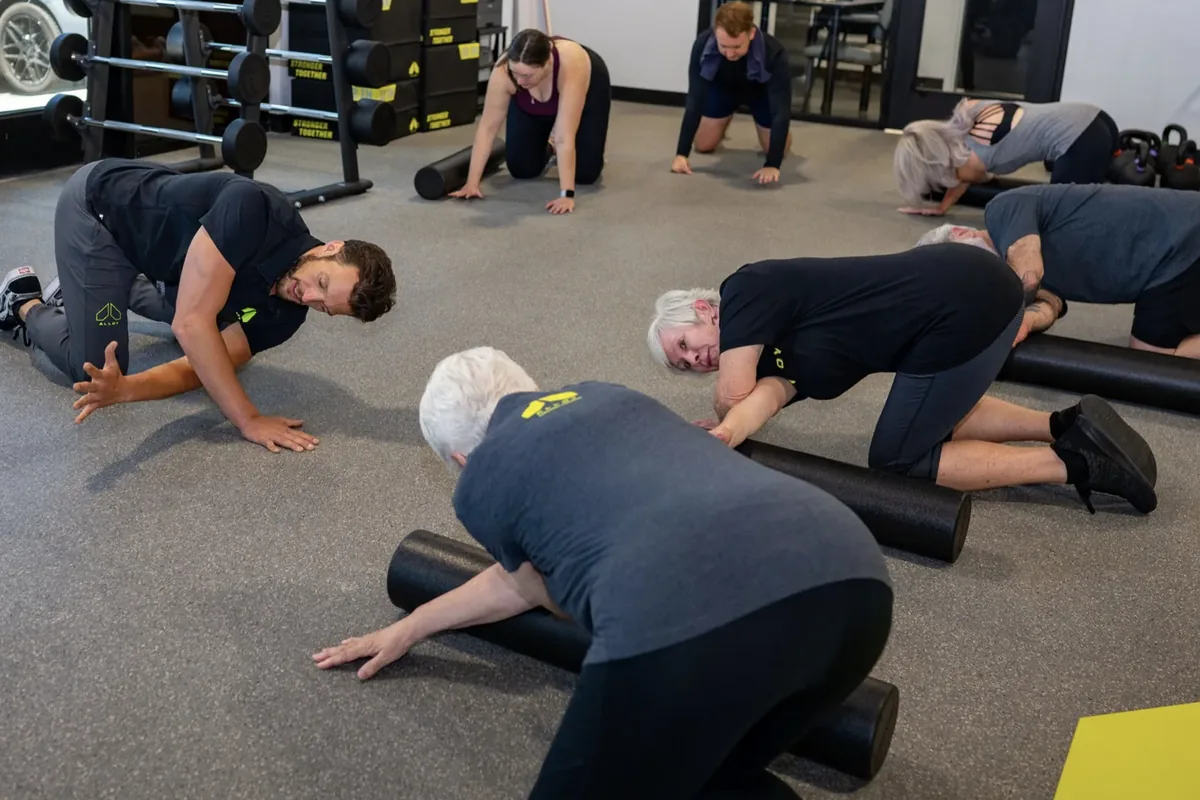
Accountability does not clock out at the gym door. Your coach sees your energy across weeks, notices when recovery dips, and asks the question the mirror cannot: what is your sleep actually like? Sometimes the most productive programming change we make for a stalled member has nothing to do with sets and reps.
If your results have flatlined and you suspect the missing piece is not effort, come talk it through. Your first visit to our Ahwatukee Foothills studio is a Starting Point Session, with an InBody scan, a movement assessment, and an honest conversation about the whole picture: training, eating, and yes, sleeping. Book Your Complimentary VIP Consultation and bring your real schedule. We will build around the life you have.