
Choosing a personal trainer in Ahwatukee comes down to two questions almost nobody asks on a first visit: does this trainer measure anything, and do they know how to program for a body over 40? Certifications and friendliness matter, but they are table stakes. The trainers worth paying track progress with objective data instead of guesswork, and they build programs that respect your recovery, your history, and your joints. This guide walks through the full evaluation: the two criteria that matter most, the credentials to verify, the coached formats to compare, the questions to ask on a first visit, and the red flags that should end one.
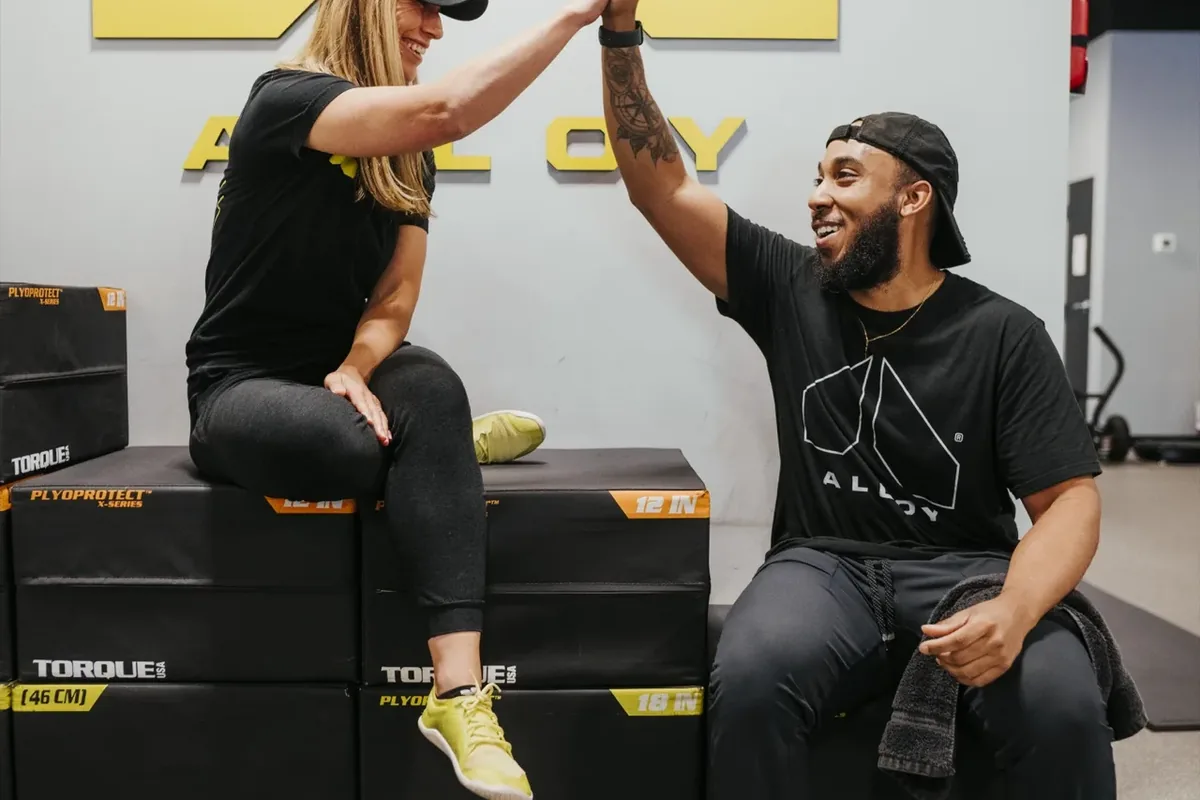
Does the trainer measure anything?
Start here, because it sorts trainers faster than any other question. Ask a prospective trainer how you will both know the program is working in three months. A serious answer names numbers: strength benchmarks that get retested, body composition measured on a fixed cadence, a record of what you lifted last month versus this one. A vague answer ("you'll feel it," "we'll see it in the mirror") means progress will be a matter of opinion, and opinion drifts with mood.
This is the standard we hold ourselves to at Alloy Personal Training Ahwatukee Foothills. Every member gets an InBody body composition scan every month, reviewed with a coach, so muscle mass and body fat percentage are tracked lines rather than impressions. Because we measure it, nobody has to wonder. Whatever studio you choose, insist on the same: measurement on a schedule, not a sign-up-day weigh-in that never happens again.
Do they know how to program for a body over 40?
The second sorting question. Training a 45-year-old with a desk career, an old knee, and a real schedule is a different craft from training a 24-year-old, and plenty of trainers only know the second. Signs a trainer has the first craft:
- They assess before they program. Movement, history, goals, then a plan. If the first session is a generic workout, the twentieth will be too.
- They treat recovery as part of the program. Two to three well-spaced strength sessions a week, progressed steadily, beats a punishing schedule you abandon by March.
- They work with your history instead of around it. Old injuries and long layoffs should change your exercise selection, not disqualify you from strength training.
Ask directly: "What would my first month look like, given my history?" A trainer who asks follow-up questions before answering is showing you the assessment habit. One who launches into a stock plan is showing you the stock plan.
What credentials and experience should you verify?
Credentials are a floor, not a finish line. Verify a current, nationally recognized certification and ask how long they have been coaching, then go one layer deeper: how much of their current client base is over 40? A trainer who mostly coaches adults in their 40s, 50s, and 60s has pattern experience no weekend course teaches. It shows in the room, too. Look around during a visit and see whether the people training look like you.
Which coached format should you choose?
Personal training in Ahwatukee comes in three shapes, and price is only half the difference:
- One-on-one training gives you undivided attention, commonly advertised at roughly $80 to $120 or more per hour. At that rate, most people budget one session a week, which is the slowest frequency for results.
- Large group classes fix the price problem and lose the coaching: one instructor cannot watch twenty people's form or adjust a workout to your knee.
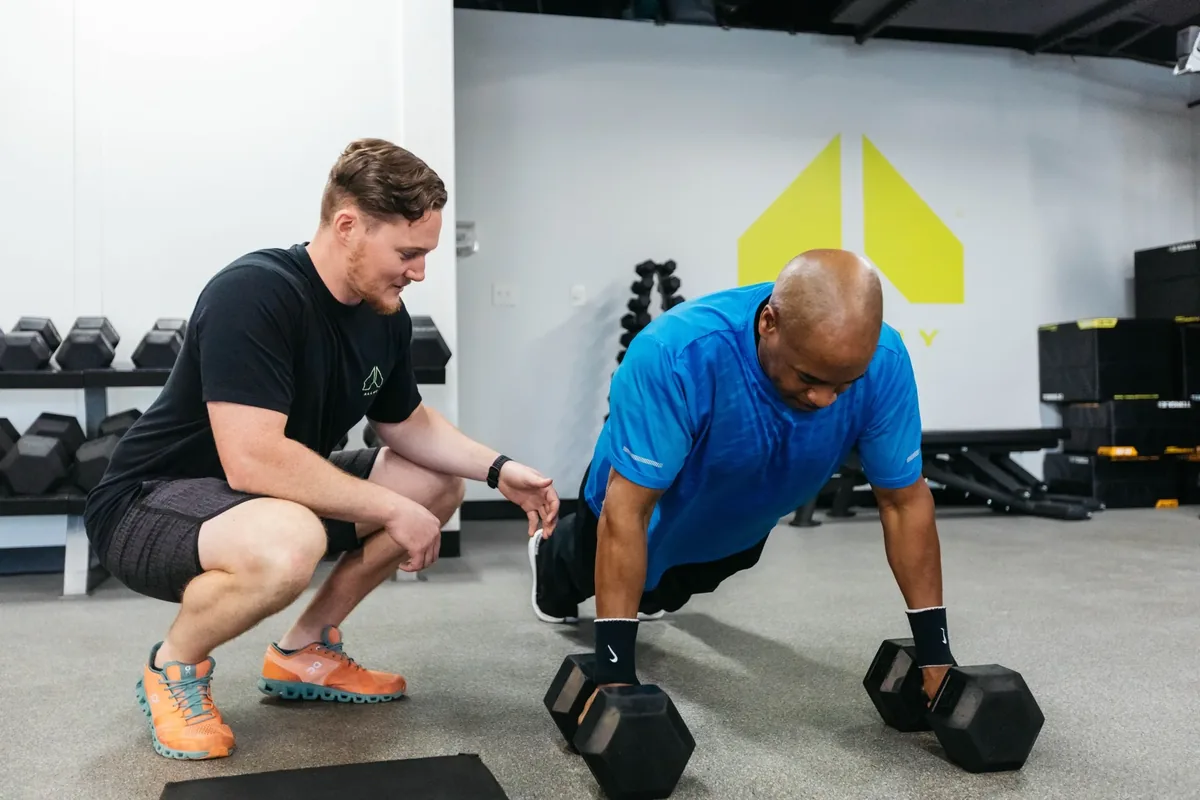
- Small group personal training splits the difference on purpose. At our studio in the Ahwatukee Foothills, sessions are capped at six members and led by a professional coach who watches your form and progresses every exercise per person.
The number to ask about is the cap. "Small group" with no stated cap is a class with better marketing. You can see how our version of the model works on our services page, and meet the coaches who run it.
Key Takeaway
Judge any personal trainer on two things first: whether they measure your progress with objective data on a set schedule, and whether their programming respects an over-40 body's recovery, history, and joints. Credentials, format, and price all matter, but a trainer who fails those two tests cannot deliver results you can verify.
What should you ask on a first visit?
Five questions, and what good answers sound like:
- "How will we measure progress?" Named numbers on a named cadence.
- "How many people do you coach at once?" A specific cap you can count.
- "What happens before my first workout?" An assessment: movement, history, goals.
- "How does the program change as I progress?" Individually, based on your data, not a monthly poster change for everyone at once.
- "Who are your typical members?" You are listening for people like you: adults with jobs, histories, and decades ahead they intend to use.
What are the red flags?
Walk away from a trainer who promises a timeline before assessing you, dismisses an injury history instead of asking about it, cannot explain why any given exercise is in your program, treats soreness as the goal of a session, or gets vague when you ask about measurement. And treat pressure as data: a studio confident in its coaching lets the first visit sell itself.
What should you do next?
We have written a fuller picture of what personal training for adults over 40 in Ahwatukee should look like as a service: assessment first, sessions capped at six, coach-led, measured monthly. This guide is the other half: how to judge anyone who wants the job, including us.
The easiest way to run the checklist is in person. Book Your Complimentary VIP Consultation and put the questions above to a coach directly. The complimentary Starting Point Session includes a conversation about your health history and goals, an InBody body composition scan, a functional movement assessment, and an introductory coached workout, which means you will have every answer this guide says to collect before you spend a dollar.